
Top Rated

Top Rated
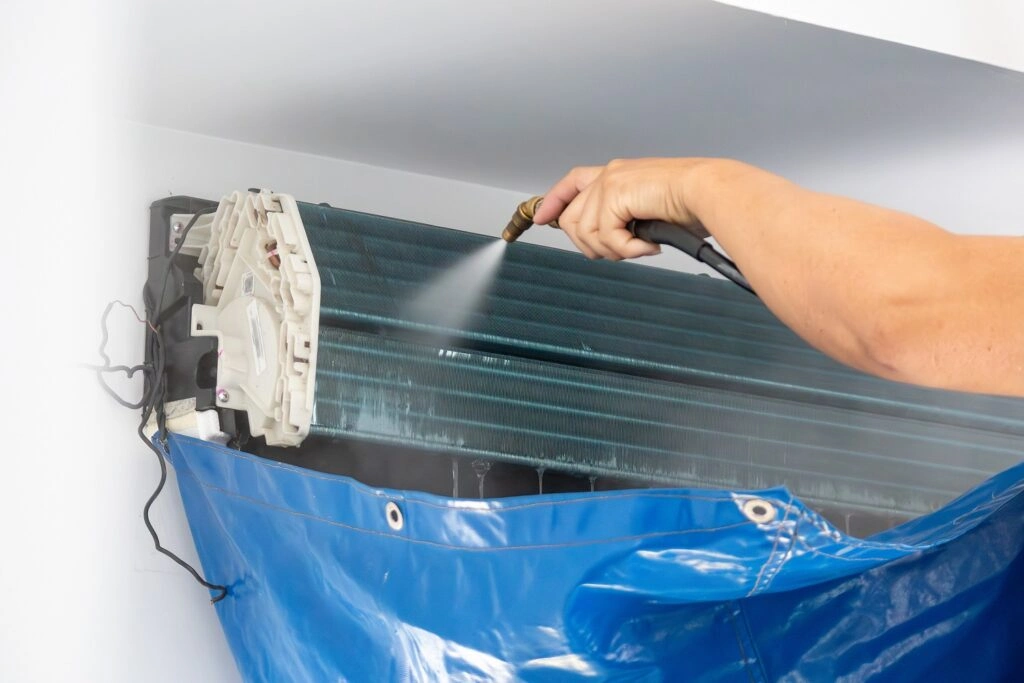
Your air conditioning system is only as reliable as the components holding it together. The drain line, the refrigerant charge, the air filter, and the electrical supply are four areas that quietly determine whether your system runs clean and efficient or breaks down at the worst possible moment.
This guide covers all four. It is written from field experience, not from a textbook.
If anything in here sounds like a job you would rather hand off to a professional, Fixit Range is ready to send a trained technician directly to your location anywhere in the United States.
Your AC system pulls moisture out of the air as it cools your home. That moisture collects on the evaporator coil and drips into a drain pan. From there, a condensate drain line carries that water out of the unit and away from your home.
When the drain line is installed incorrectly, that water has nowhere to go.
The most common issues technicians see in the field include improper slope on the drain line, missing or incorrectly placed P traps, drain lines vented into spaces without proper clearance, and no secondary drain pan or overflow protection.
A drain line that is not pitched at least a quarter inch per foot of run will allow water to pool. Pooling water feeds mold, corrodes the drain pan, and eventually causes overflow damage to ceilings, walls, and flooring.
Proper furnace and AC drain line installation requires:
On combined furnace and AC systems, the drain line setup is even more critical because both the cooling cycle and the high efficiency furnace produce condensate. Combining or routing these lines incorrectly creates blockage risks.
If your system is producing standing water near the unit, dripping from ceiling vents, or triggering a float switch, the drain line installation needs to be evaluated by someone who knows what they are looking at.
Fixit Range technicians install and service condensate drain systems on all residential AC and furnace units. We come to your home and handle the job correctly the first time.
Refrigerant is what makes cooling possible. It cycles between liquid and gas states inside your AC system, absorbing heat from inside your home and releasing it outside.
our certified HVAC technicians →
Here is what most homeowners do not know: you cannot legally purchase or handle refrigerants like R 410A or R 22 without an EPA Section 608 certification. This is federal law in the United States, not just a suggestion.
Signs Your AC Needs Refrigerant Service
If you are experiencing any of these symptoms, the system likely has a refrigerant leak or was undercharged during a previous service.
Refrigerant under pressure can cause serious injury. Improper handling leads to frostbite, chemical burns, and refrigerant release into the atmosphere, which carries significant EPA penalties.
Beyond safety, adding refrigerant without first finding and repairing a leak is pointless. The refrigerant will escape again, and you will have wasted money without solving the problem.
A properly trained technician will pressure test the system, locate any leaks, repair them, and then charge the system to the manufacturer’s specified pressure range using calibrated equipment.
Fixit Range provides refrigerant leak detection, repair, and system charging for residential AC units across the United States. Our technicians are EPA certified and equipped to handle all refrigerant types safely and legally.
learn about our AC installation services →
Several factors influence what any of these services will cost. Being aware of them helps you have a better conversation with your service provider and avoid surprise charges.
Always ask for a full scope of work before any job begins so you understand what is included and what is not.
Simple drain line extensions in accessible areas can be done by a handy homeowner. Full drain line installations involving P traps, secondary pans, and float switches are better handled by a technician to ensure proper slope, sealing, and code compliance.
Not without an EPA Section 608 certification. Purchasing and handling refrigerant without certification is illegal under federal law. Always hire a certified technician for refrigerant service.
Every one to three months for standard one inch filters. Thicker media filters may last longer. Check the filter monthly and replace it when it appears visibly dirty or restrictive.
In most United States jurisdictions, yes. Dedicated circuit work typically requires a permit and inspection. Check with your local building department or have a licensed professional handle it.
The most common signs are warm air from the vents, ice on the refrigerant lines, and a system that runs but does not cool. A technician can verify refrigerant charge with gauges.