
Top Rated

Top Rated
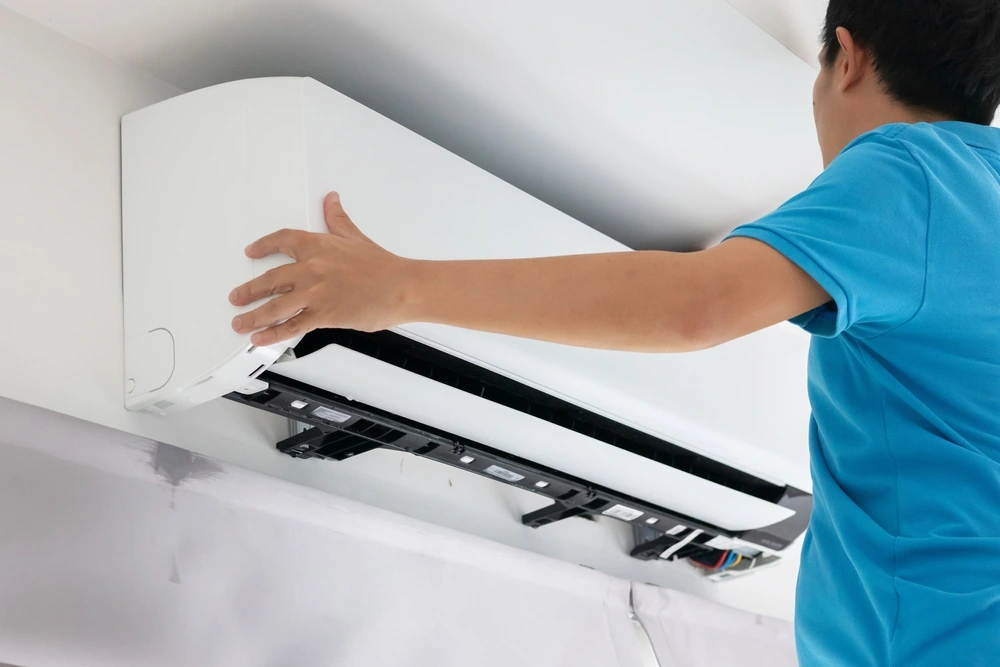
Most AC installation problems I see in the field come down to one thing: someone tried to cut corners. The unit was sized wrong, the wall sleeve was missing, the drain had nowhere to go, or the electrical wasn’t rated for the load. By the time I show up, the homeowner or van owner is dealing with water damage, tripped breakers, or a unit that barely cools the room.
professional AC installation services →
This guide covers the real stuff. Wall AC installation, thru wall systems, portable AC setup, and the increasingly popular 12V AC unit installs for vanlife builds. If you are planning any of these, read through before you touch a single tool.
And if at any point this starts to feel more complicated than expected, Fixit Range sends certified AC installation technicians directly to your location anywhere in the United States. No guesswork. No callbacks. Just a clean, code compliant install done the first time.
A wall mounted AC unit is a smart choice when you need dedicated cooling for a specific room without tying into a central system. It saves floor space, provides stronger airflow than a window unit, and can be more energy efficient over time.
But this is not a Saturday afternoon project for most people. Cutting a hole through an exterior wall means dealing with insulation, vapor barriers, structural framing, and potentially load bearing elements depending on your home.
our licensed electricians and HVAC Services →
Before anything else, you need to know what is inside that wall. Electrical wires, plumbing, and even gas lines run through interior and exterior walls. A stud finder and an outlet tracer will get you started, but a licensed contractor or technician should always verify before cutting.
You also need the right sleeve. A wall sleeve is a metal or plastic liner that surrounds the AC unit inside the wall opening. It protects the surrounding framing from moisture and provides structural support for the unit. Never install a through wall AC without a proper sleeve. Units will shift, vibrate, and eventually pull away from the wall without one.
A thru wall AC installation also needs a dedicated electrical circuit. Most standard 115V through wall units draw between 7 and 15 amps depending on BTU rating. Larger units require 230V circuits. Running a new circuit from the breaker panel is often part of the job.
Fixit Range handles the full installation process including wall assessment, sleeve placement, framing, and electrical connection. Reach out to schedule a technician at your location.
Let Fixit Range assess your wall and handle every detail of your thru wall AC installation. Our technicians travel to your home across the US.
Planning a vanlife build or specialty installation? Fixit Range technicians are experienced with 12V AC unit installs and travel to your location. Contact us to schedule your installation.
You can learn a lot online. But some installations cross into territory where the risk of getting it wrong is too high to justify DIY.
Call a professional when:
The cost of a professional install is almost always less than the cost of fixing a DIY mistake. Water damage from a mis-drained unit, electrical fires from an undersized circuit, or mold from a missing vapor barrier are expensive problems.
Fixit Range provides professional residential and specialty AC installation services with technicians dispatched to your location anywhere in the US. Do not take unnecessary risks with your home or vehicle.
Every installation is different. A few key factors typically influence the overall investment you will make:
Getting an accurate quote requires a site assessment. An experienced technician can look at your space, check your electrical panel, and give you a clear picture of what the job actually involves before any work begins.
In the United States, AC installations are governed by the National Electrical Code and local building codes that vary by state and municipality. Most installations that involve electrical work or structural wall penetration require a permit.
Permitted work gets inspected. That inspection protects you. It confirms the circuit was properly sized, the wiring is safe, and the installation meets the standards designed to prevent fires, electrical faults, and moisture damage.
Unpermitted AC installations can cause problems when you sell your home. Home inspectors flag them. Insurance adjusters question them. Some policies have clauses that reduce coverage for damage traced to unpermitted modifications.
Fixit Range installations follow all applicable local and national codes. Our technicians pull required permits, complete work to inspection standards, and document the installation properly.
Fixit Range is a professional AC installation service with hands on experience across residential, commercial, and specialty applications including mobile and vanlife builds.
Our technicians are certified in AC installation and electrical safety compliance. We do not send generalists to AC jobs. The person who shows up at your door has done this work in real conditions, not just in training.
We have installed through wall systems in homes ranging from 1940s construction to new builds. We have worked on vanlife projects from custom Sprinters to converted cargo vans with complex electrical systems. We understand that each installation has unique challenges, and we come prepared for them.
A standard through wall AC installation typically takes three to five hours for a professional. This includes cutting the wall opening, installing the sleeve, mounting the unit, sealing the exterior, and connecting the electrical. Installations requiring new circuit runs may take longer.
No. Load bearing walls require extra caution and often a structural assessment before cutting. Walls with dense electrical runs or plumbing may require rerouting before the opening can be made. A professional assessment before cutting is always the right call.
A portable AC requires an exhaust path. Without a window, options include sliding glass door kits, drop ceiling tile venting, or a small penetration through an exterior wall. Each option has trade offs for efficiency and installation complexity. A technician can assess your space and recommend the best approach.
The process starts with sizing the unit to your van’s interior volume, then designing the battery and solar system to support the load. The unit mounts to the roof or interior structure with weatherproof hardware. Drainage routes through the floor or roof with sealed grommets. Electrical connects to the DC bus with properly rated fusing. It is not a complex job for an experienced installer, but it is easy to get wrong without that experience.
In most jurisdictions in the United States, yes. Any wall modification and associated electrical work typically requires a permit. Check with your local building department before starting. Fixit Range handles permit coordination as part of our installation service.
Installation quality determines how long your unit lasts. A well installed unit that is also well maintained can run reliably for fifteen years or more. Here is what matters most:
Consistent maintenance catches small problems before they become expensive failures. It also keeps your unit running at rated efficiency, which means lower energy consumption over time.
Whether you are installing an AC unit in a wall, setting up a portable system, or building out a 12V vanlife AC installation, the details matter. The right sleeve, the right circuit, the right drainage path, and the right unit for the space all work together to create an installation that performs and lasts.
Fixit Range provides professional AC installation services for homeowners, renters working within their lease terms, and van or RV owners across the United States. We send experienced, certified technicians directly to your location. No searching for a local contractor. No wondering if they have done this before.
Contact Fixit Range today to schedule your AC installation. Visit fixitrange.com/ to get started.
Our team is standing by to answer your questions and dispatch a technician to your location. Get your installation done right the first time.