
Top Rated

Top Rated
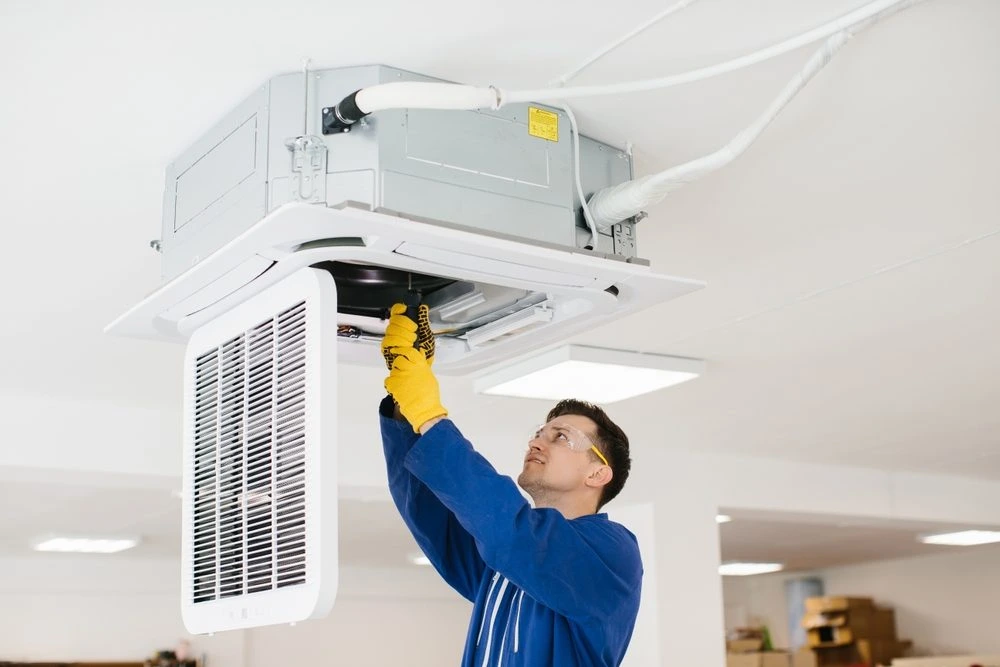
Every summer, the same story plays out in homes across the country. The heat climbs, someone cranks the thermostat, and nothing happens. Or worse, something happens but it costs three times what it should on the electric bill. A system that worked fine last year suddenly blows warm air, makes a grinding noise, or leaks water onto the floor.
Most of these breakdowns are completely preventable.
After years of working on air conditioning systems in homes from Texas to Minnesota, the pattern is clear: the systems that fail are almost always the ones that never got proper maintenance. And the ones that run quietly, efficiently, and reliably for fifteen or twenty years? They got looked at regularly by someone who knew what to look for.
This guide covers everything you need to know about AC maintenance for central systems, mini splits, and window units. Whether you want to understand what a professional does during a tune up, figure out what you can handle yourself, or know when it is time to call in a licensed technician, this is the resource you have been looking for.
Fixit Range provides professional on site AC maintenance services across the United States. Our licensed HVAC technicians travel directly to your home or business, wherever you are located.
AC maintenance includes cleaning filters and coils, inspecting refrigerant levels, testing electrical components, clearing condensate drain lines, checking thermostat calibration, and measuring airflow. Read our complete guide on what AC maintenance includes for a deeper breakdown of each step.
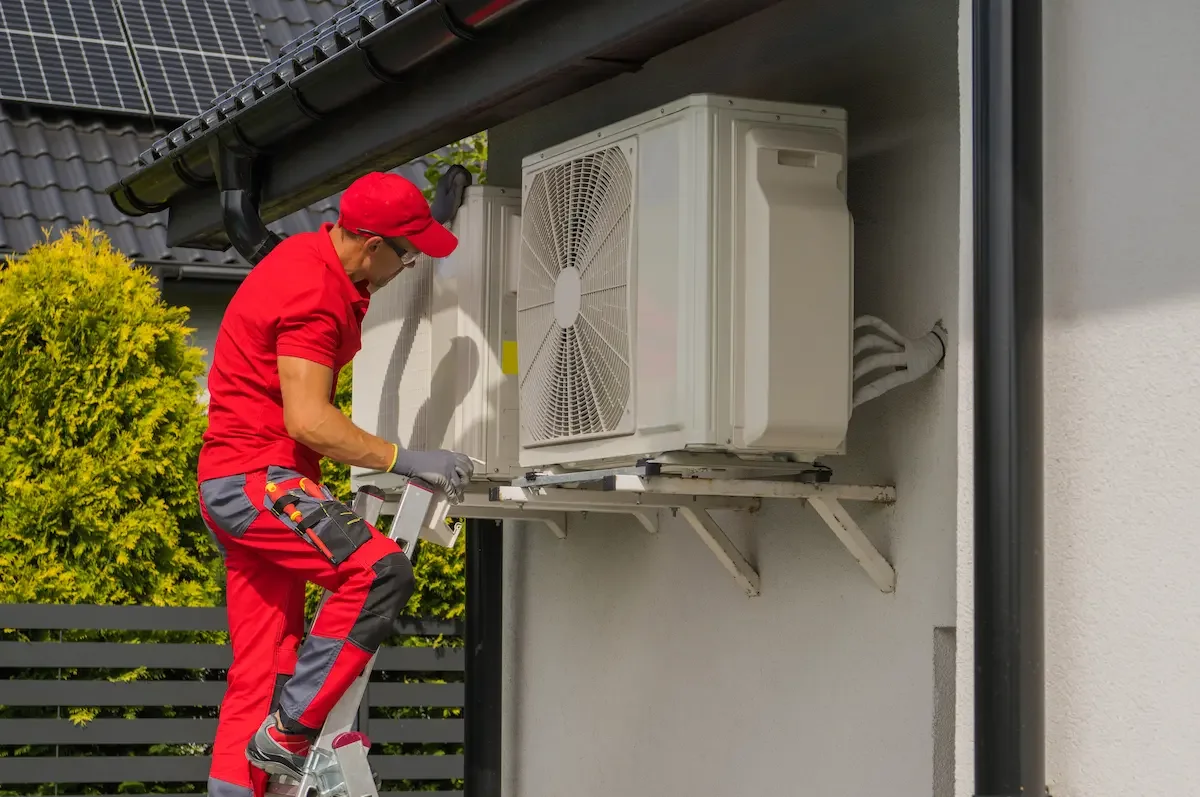
Mini split systems move refrigerant directly between an outdoor condenser unit and one or more indoor air handler units called heads. There are no ducts. Each indoor head serves a specific zone, which means you can cool individual rooms independently without affecting the rest of the house.
This architecture makes mini splits highly efficient and flexible, but it also means the indoor heads are directly exposed to the room air and accumulate dust, mold, and debris much faster than a central system’s coil hidden inside a cabinet.
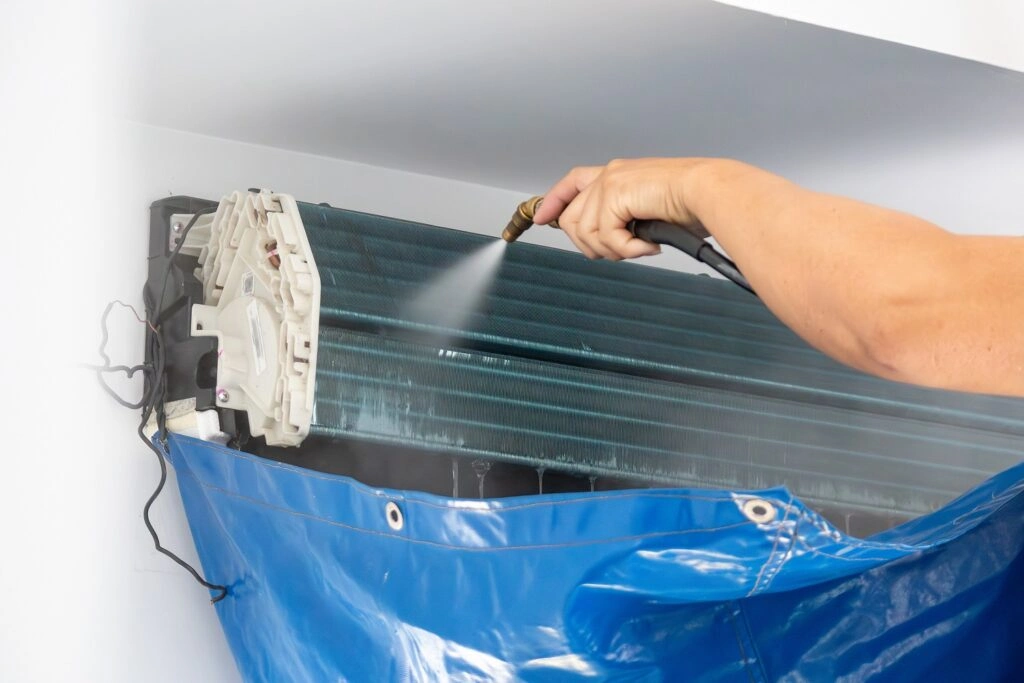
The indoor head on a mini split contains a coil, a blower wheel, and filters. The blower wheel in particular collects dust over time and can develop mold growth, especially in humid climates. A professional cleaning involves removing the front panel, removing and washing the filters, cleaning the coil, and cleaning the blower wheel with appropriate tools and cleaners. This is not a task that can be done with a vacuum and a damp cloth. The blower wheel requires specific brushes or low pressure washing to clean properly.
Neglecting the indoor head leads to reduced airflow, unpleasant odors from mold, and eventually coil icing and compressor stress.
Mini split condensers are typically smaller than central AC condensers, but they accumulate the same debris. Cleaning the outdoor condenser coil, checking the fan motor, and inspecting refrigerant line connections are all part of a professional maintenance visit.
Window AC units pull room air directly through a washable foam or mesh filter before it reaches the evaporator coil. During heavy use months, this filter should be cleaned monthly. Remove it, rinse it under running water, allow it to dry fully before reinstalling, and your system stays efficient and your coil stays clean.
Even with regular filter cleaning, the evaporator coil accumulates dust over a season. No spray coil cleaner is required if you stay on top of filter maintenance, but if the coil looks grey and packed with debris, a no rinse coil cleaner applied according to the label directions will restore heat transfer capacity. The condenser coil on the back of the unit also benefits from cleaning, which can be done with a soft brush and low pressure water from a garden hose.
Window AC units that sit unused for months are attractive nesting sites for insects, mice, and birds. Before firing up a window unit that has been in storage or idle for a season, inspect the unit for nests, insect colonies, or other intrusions. Nests can block airflow, cause electrical shorts, and create fire hazards.
| Factor | Central AC | Mini Split | Window AC |
|---|---|---|---|
| Recommended Service Frequency | Once per year | Twice per year | Monthly filter clean, annual professional check |
| Maintenance Complexity | High | High | Low to moderate |
| DIY Suitability | Filter only | Filter only | Filter, fins, drain, exterior coil |
| Energy Efficiency Impact of Neglect | Moderate to significant | Significant | Moderate |
| Professional Service Necessity | Strong | Strong | For electrical, refrigerant, coil issues |
| Average Professional Service Cost (US) | $75 to $200 | $100 to $250 per head | $75 to $150 |
| Refrigerant Handling Required | Yes, EPA certified only | Yes, EPA certified only | Rarely, EPA certified if needed |
The financial case for preventive AC service is straightforward. A well maintained air conditioner uses less electricity, lasts longer, and breaks down far less often than a neglected one.
The US Department of Energy estimates that a properly maintained central AC system operates at close to its rated efficiency. A system running with dirty coils, a clogged filter, low refrigerant, and degraded electrical components can lose 25 to 40 percent of its rated efficiency. On a typical household electricity bill, that translates to $100 to $400 in excess annual cooling costs depending on climate and usage.
Compressor protection is the most significant financial benefit of maintenance. The compressor is the most expensive component in any air conditioning system. A central AC compressor replacement costs $1,200 to $2,500 installed. A mini split compressor can run $800 to $2,000. The leading causes of compressor failure are dirty coils causing the system to overheat, low refrigerant causing the compressor to work outside its design parameters, and weak capacitors causing hard starts that stress motor windings over time. Every single one of these causes is addressable with routine maintenance.
Repair cost avoidance compounds over the life of a system. A $150 annual tune up that catches a failing capacitor ($150 part plus labor) before it takes out the compressor ($2,000) represents enormous financial leverage. The same logic applies to catching a small refrigerant leak before it empties the system and causes a warranty voiding compressor burnout.
Replacement delay is another measurable benefit. A central AC system that receives annual professional maintenance routinely reaches 18 to 20 years of service life. A neglected system may fail at 8 to 10 years. The cost of replacing a central AC system early, $4,000 to $12,000 or more depending on home size and equipment, dwarfs a decade of maintenance costs.
Your system is telling you something is wrong. Here is what to look for.
Replacing standard 1 inch air filters is a basic homeowner task that should be done every 30 to 90 days. Rinsing mini split filters every few weeks during heavy use is similarly straightforward. Keeping the area around the outdoor condenser clear of vegetation and debris takes five minutes and helps the unit breathe. Cleaning window AC filters monthly, straightening visible fins with a fin comb, and inspecting the condensate drain outlet are all within reach for most homeowners.
These tasks matter. They extend maintenance intervals and protect equipment between professional visits.
Refrigerant handling is federally regulated under Section 608 of the Clean Air Act. Only technicians holding an EPA 608 certification may purchase, add, or recover refrigerants. A homeowner cannot legally add refrigerant to their own system. Attempting to do so with off the shelf products is both legally problematic and technically risky.
Electrical testing and repair involves capacitors that store a lethal charge even when the system is powered off. Working inside the electrical panel of an outdoor condenser or air handler without proper training and lockout tagout procedures is dangerous.
Evaporator and condenser coil cleaning, while it sounds simple, requires the right chemicals, the right technique, and knowledge of how to avoid damaging fin structure or introducing moisture into electrical components.
Leak detection for refrigerant requires electronic leak detectors, UV dye injection, and pressure testing skills developed through hands on training.
The short version: filters and basic cleaning around the unit are DIY territory. Everything else belongs to a licensed professional.
Window AC units that sit unused for months are attractive nesting sites for insects, mice, and birds. Before firing up a window unit that has been in storage or idle for a season, inspect the unit for nests, insect colonies, or other intrusions. Nests can block airflow, cause electrical shorts, and create fire hazards.
Choosing an HVAC company is not just about price. When someone comes into your home and works on equipment that controls your comfort, safety, and energy costs, credentials and professionalism matter.
Central and mini split systems should be professionally serviced once per year at minimum, ideally in spring before cooling season. Mini splits in dual use heating and cooling climates benefit from twice yearly service. Window units need monthly filter cleaning and an annual professional check if in heavy use.
Yes. Annual maintenance prevents compressor failure, reduces energy costs by up to 25 percent, extends system life by years, and catches small problems before they become expensive repairs. The cost of one tune up is typically less than an hour of emergency repair labor.
Most AC breakdowns trace back to problems that routine maintenance would have caught. Failing capacitors, dirty coils, clogged drain lines, low refrigerant, and worn contactors are all identified and addressed during a professional tune up before they cause a system failure.
Central AC tune ups typically run $75 to $200. Mini split service per indoor head runs $100 to $250. Window AC professional service ranges from $75 to $150. Costs vary by region and what the service includes. Always ask for itemized pricing before agreeing to service.
Yes, particularly in climates where the system serves both heating and cooling functions or in humid environments. Mini split indoor heads accumulate contamination faster than central system coils. Twice yearly professional service keeps them operating at rated efficiency and prevents mold growth.
You can clean the filter monthly, straighten fins, clear the drain, and clean the exterior coil. For refrigerant issues, electrical problems, compressor faults, or anything involving internal components, call a licensed technician. Unplugging the unit before any maintenance is essential.
Your air conditioning system works hard every day to keep your home comfortable. It deserves the same level of attention you give your car.
Fixit Range provides complete professional AC maintenance for central systems, mini splits, and window units across the United States. Our licensed, EPA certified technicians come to you. No need to transport equipment or coordinate drop offs. We show up at your home or business, do the work right, and leave you with a written report.
Do not wait for your AC to break down on the hottest day of the year. Preventive maintenance costs a fraction of emergency repair costs and protects an investment that keeps your family comfortable.
Call Fixit Range now or book your appointment online at fixitrange.com/.
A well maintained air conditioner is one of the most cost effective investments a homeowner can make. The difference between a system that runs reliably for twenty years and one that fails unexpectedly at ten usually comes down to regular professional attention.
Fixit Range sends certified HVAC technicians directly to homes and businesses across the United States. Whether you have a central air conditioning system, a ductless mini split, or a window unit, our team performs complete AC maintenance with the professionalism, documentation, and guarantee that the job is done right.