fixit range logo

Top Rated

24/7 Emergency

Support Available

24/7 Emergency

Support Available

Best Drain Cleaner for Shower, Toilet & Kitchen Sink

Not Every Clog Is the Same and Neither Is the Fix

Clogged drains are probably the most common household plumbing problem in the country. Most homeowners deal with them regularly, whether it’s a shower that won’t drain after a ten minute rinse, a kitchen sink full of standing water after dinner, or a toilet that flushes sluggishly and makes you nervous every time you reach for the handle. When products stop working, professional drain cleaning services are the reliable next step.
The instinct is to head to the hardware store, grab a bottle of drain cleaner, and pour it down the problem drain. It’s quick, it’s cheap, and sometimes it works. But here’s what those bottles don’t tell you: the best drain cleaner for a shower is not necessarily the right choice for a toilet, and what clears a kitchen sink clog might do nothing at all for a dishwasher drain issue.
Different drains clog for different reasons, and understanding what’s actually causing the blockage is the first step toward choosing a solution that actually fixes the problem rather than just buying you a few more weeks before it backs up again. Our drain cleaning service covers every drain type in your home with the right tools for each situation.
This article breaks it all down by drain type what causes the clog, what actually helps, what to avoid, and when a product from the store isn’t going to be enough.

What Causes Drain Clogs in Different Parts of Your Home?

Before you can choose the right solution, it helps to understand why each drain clogs in the first place. The culprits vary pretty significantly from room to room.

Shower Drain Clogs

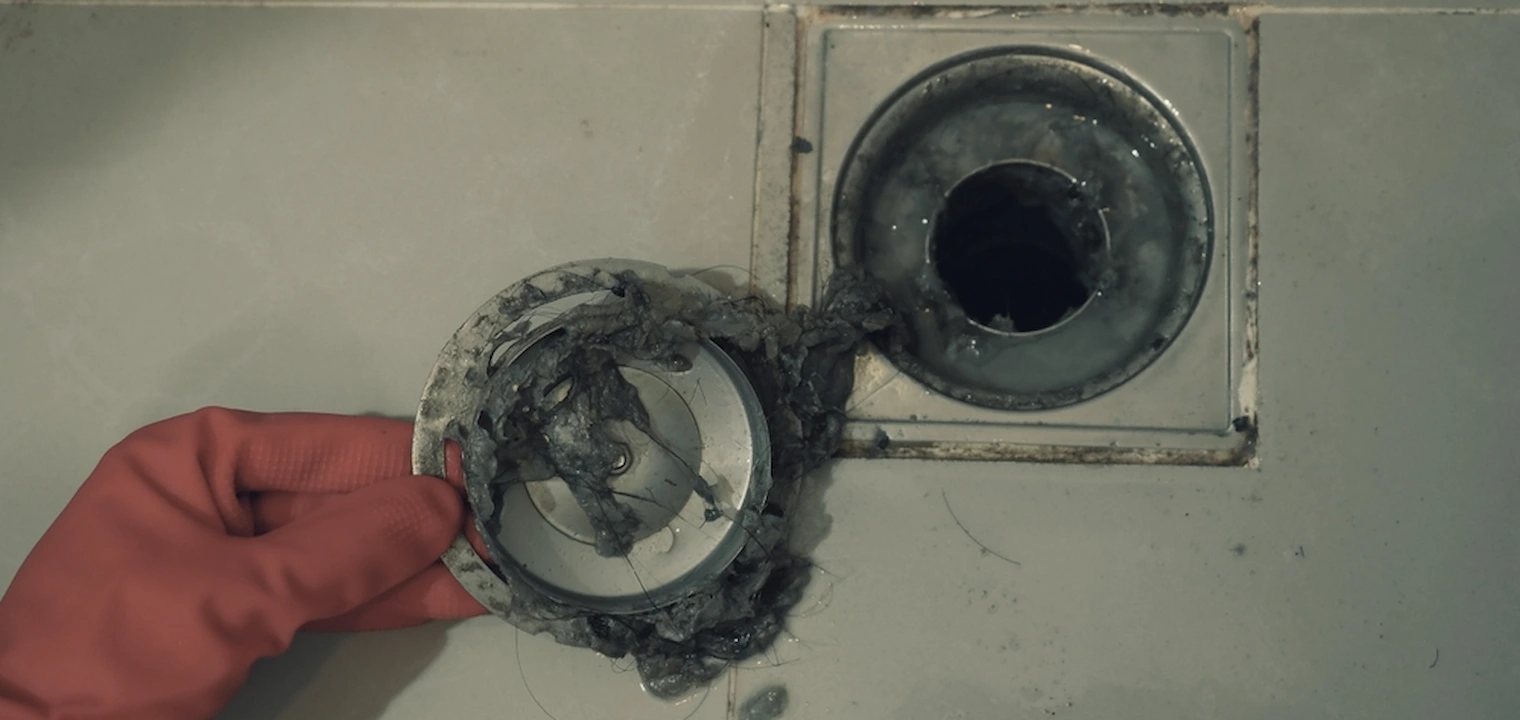
The shower is almost always about hair. It collects at the drain strainer and in the upper part of the pipe, forming a dense, tangled mat that traps soap scum, shampoo residue, and conditioner buildup on top of it. Over time that combination becomes a stubborn plug that restricts flow significantly. In homes with hard water, mineral deposits can also coat the inside of the pipe and narrow the passage even further.

Toilet Clogs

Toilet clogs are a different situation entirely. Some are caused by too much toilet paper in a single flush, especially the thick quilted varieties that don’t break down as quickly. Others involve foreign objects wipes that claim to be flushable but aren’t, cotton balls, small toys if you have young kids, or hygiene products. In older homes, the toilet’s built in trap can also deteriorate over time, making clogs more frequent even without any obvious cause.
toilet drain cleaner

Kitchen Sink Clogs

The kitchen sink is the grease drain. Even when you’re careful about what goes down it, cooking oils, butter, bacon fat, and food residue all find their way into the pipe in small amounts. The problem is that grease doesn’t behave like water. It coats the pipe walls, sticks to everything, and hardens as it cools. Over months and years it builds into a thick, sticky layer that progressively narrows the pipe until barely anything gets through.
kitchen sink drain cleaner

Dishwasher Drainage Issues

The dishwasher is a little different because the clog usually isn’t in the drain pipe itself. Most dishwasher drainage problems are caused by a clogged filter inside the machine, food debris blocking the drain hose, or an issue with the air gap fitting if your installation has one. It looks like a drain problem, but the fix usually starts inside the appliance, not in the plumbing.
dishwasher drain cleaner

Best Shower Drain Cleaner Options

When the shower starts draining slowly, most people pour in whatever liquid drain cleaner is under the sink. That sometimes helps, but there are more effective approaches depending on how bad the clog is.

Start With Mechanical Removal

For shower clogs, a simple drain snake or a plastic hair-catching tool is often the most effective first step. When that is not enough, a professional drain cleaning visit clears the blockage completely without risk of pipe damage. The clog is almost always hair, and hair doesn’t dissolve well in chemical cleaners it just breaks apart partially and slides further down the pipe. Pulling it out physically is faster, cleaner, and doesn’t involve any chemicals. A basic drain snake costs a few dollars and can clear the vast majority of shower clogs in a couple of minutes.

Enzyme Based Shower Drain Cleaners

If you prefer a liquid option, enzyme based shower drain cleaners are worth considering. They use natural bacteria and enzymes to break down organic matter over time. They’re slow you typically need to let them sit overnight but they’re safe for all pipe types, won’t damage your drain seals or finish, and work well for maintenance cleaning even when you don’t have an active clog. They’re not the right choice for a completely blocked drain, but for a slow-draining shower they’re a solid option.

Chemical Drain Cleaners for Showers

Standard chemical drain cleaners do work on hair clogs in some cases, particularly when the buildup is fresh. The limitation is that chemical cleaners are much less effective once the hair mat has been sitting for a while and has accumulated significant soap scum on top of it. For a specific look at how one of the most popular products on the market performs, see our analysis of Thrift drain cleaner pros, cons, and risks. They’re also not safe to leave in contact with certain finishes and can be hard on older pipes with repeated use. If you use one, follow the instructions carefully, don’t exceed the recommended contact time, and flush thoroughly.
Pro tip: The easiest way to prevent shower clogs is a $3 drain strainer that catches hair before it enters the pipe. It’s a minor inconvenience to clean once a week and saves you from dealing with a backed up shower entirely.

Best Toilet Drain Cleaner Options

Toilets are where homeowners make the most mistakes with drain cleaners, and it’s worth spending a little time here because some approaches that seem reasonable can actually cause real problems.

Start With a Plunger

Most toilet clogs respond to a plunger if you use it correctly. A flanged plunger the kind with the rubber extension at the bottom creates a much better seal against the toilet drain opening than a standard cup plunger. Work it steadily and give it a few minutes before you conclude it’s not working. The majority of toilet clogs are in the trap, which is close to the drain opening, and a good plunger will clear them.

Using a Toilet Drain Cleaner Be Careful

Here’s what most people don’t realize about pouring drain cleaner on a toilet: the strong chemical formulas designed to dissolve clogs in pipes can damage the rubber seals and wax ring at the base of the toilet with repeated use. They can also crack older porcelain if the heat generated by the chemical reaction is concentrated in one spot. Using a toilet drain cleaner occasionally on a soft blockage isn’t necessarily harmful, but it shouldn’t become your regular solution.
If you do use a chemical product in a toilet, avoid anything sulfuric acid based and look for a product specifically labeled as safe for toilets. Use the minimum amount recommended, and don’t let it sit longer than the instructions suggest.

When Drain Cleaner on a Toilet Won’t Help

If the toilet clog involves a foreign object a toy, a thick wipe, a hygiene product chemical drain cleaner won’t dissolve it. In that situation, you need a toilet auger, which is a specialized snake designed to navigate the toilet’s trap without scratching the porcelain. If the auger doesn’t clear it, the toilet may need to be pulled to access the blockage directly. That’s a job for a plumber.

Best Kitchen Sink Drain Cleaner Methods

The kitchen sink drain is where chemical cleaners have their biggest limitations, even though it’s one of the most common places people reach for them.

Why Grease Clogs Are Stubborn

Grease doesn’t dissolve well in chemical drain cleaners. Some products claim to cut grease, but what they actually do is break the clog apart enough for water to move through temporarily. The grease that remains on the pipe walls continues to collect whatever goes down the drain, and the clog reforms within a few weeks. If you’ve poured drain cleaner into your kitchen sink more than once in the past few months, that pattern is a pretty reliable sign that the clog is too far along for consumer products to address.

Hot Water Flushing

For mild grease buildup, running the hottest water possible from your tap for a few minutes can help soften and move some of the accumulation. This works better as preventive maintenance than as a fix for an established clog. If you make a habit of flushing the kitchen drain with hot water for a minute or two after cooking, you’ll slow the rate of grease accumulation considerably.

Enzyme Based Kitchen Sink Drain Cleaner

Enzyme treatments are genuinely effective for kitchen grease when used consistently over time. They work by introducing bacteria that consume organic matter, including grease and food waste. The catch is they’re slow they need to be used regularly over several weeks to make a meaningful difference in a heavily built up pipe. For light buildup and ongoing maintenance, they’re excellent. For a sink that’s already backing up, they’re not a fast fix.

Chemical Cleaners in the Kitchen

A strong chemical kitchen sink drain cleaner can clear a grease clog that isn’t too deep or too thick. The limitations are the same as elsewhere: repeated use is hard on pipes, the results don’t last, and they’re not effective at all once the buildup has extended far enough into the line that the chemical can’t reach it. If you’ve already used a chemical cleaner twice in the past month on the same sink, you’re past the point where another bottle is going to solve anything. Hydro jet drain cleaning is the professional solution that removes grease
buildup completely from the pipe walls rather than just punching a temporary
hole through it.

Dishwasher Drain Problems: Usually Not What You Think

Dishwasher drain issues are a common source of confusion because the symptoms look like a plumbing problem water pooling in the bottom of the machine, a bad smell, dishes coming out dirty but the cause is usually inside the appliance itself.

Check the Filter First

Most modern dishwashers have a removable filter at the bottom of the tub that catches food debris. It’s designed to be cleaned regularly, but a lot of people don’t realize it exists. If it’s been months or years since yours was cleaned, pull it out and rinse it under warm water. A clogged filter is responsible for a significant portion of dishwasher drainage complaints, and cleaning it takes about two minutes.

When It’s a Hose or Drain Issue

If cleaning the filter doesn’t help, the drain hose that connects the dishwasher to the sink drain or garbage disposal may be kinked, clogged, or positioned incorrectly. The hose should loop up high before connecting to the drain if it runs straight down or sits in a puddle, water can back siphon into the machine. Checking the hose routing and connection point usually requires pulling the dishwasher out slightly, which most handy homeowners can manage.

Dishwasher Drain Cleaner Products

There are dishwasher-specific cleaning products on the market, and they can help with odor and light buildup inside the machine. But they’re not effective for a blocked hose or a clogged connection point. If you’ve cleaned the filter, checked the hose, and the machine is still not draining properly, the issue is either in the drain line at the connection point or inside the pump, both of which typically need a professional to diagnose correctly.

The Real Risks of Chemical Drain Cleaners

This isn’t about scaring anyone away from products that genuinely work in the right situations. It’s about knowing the full picture before you use them regularly.
The main concern with chemical drain cleaners is what they do to your pipes over time. The heat generated by sodium hydroxide and sulfuric acid-based products can soften PVC pipes and accelerate corrosion in metal ones. A single use isn’t likely to cause damage, but using a strong chemical cleaner repeatedly on the same drain especially on older plumbing can weaken the pipe material to the point where you end up with a leak or a failure that costs significantly more to fix than the original clog would have.
Safety is also worth taking seriously. These products can cause chemical burns on contact with skin or eyes. Mixing them with other cleaning products, even accidentally, can produce toxic fumes. If you’ve already poured one product down a drain and it didn’t work, adding a different product on top of it can be genuinely dangerous.
From an environmental perspective, strong acids and alkalis that go down the drain affect the water treatment system and, in homes with septic tanks, can kill the beneficial bacteria the tank needs to function properly.
None of this means you should never use a chemical drain cleaner. It means they’re a tool with appropriate uses, and using them beyond those uses has real costs.

When Home Remedies Stop Working

Most people can manage a minor, isolated clog with the right approach. But there are situations where no product from a store shelf is going to solve the problem, and recognizing them early saves you time, money, and the frustration of cycling through solutions that don’t work.
The clearest signal is recurrence. If you’ve cleared the same drain two or three times in the past few months and it keeps backing up, the underlying cause hasn’t been addressed. The clog is either reforming from the same source or the blockage is further down the line than a consumer product can reach.
Another significant signal is when multiple drains in the house slow down at the same time. One slow shower drain is almost always a local issue. Two slow drains in different rooms, or a toilet that gurgles when you run the bathroom sink, point toward a blockage in the main line — and no drain cleaner is going to reach or clear a main line clog. This is a sewer line issue that requires professional sewer cleaning services to diagnose and resolve correctly.
Persistent foul odors from drains, even after cleaning, often indicate decomposing organic matter deep in the pipe or a venting issue that requires professional diagnosis. Water backing up into the shower or tub when you flush the toilet is a more urgent version of the same problem and should be treated as an emergency.

Why Professional Drain Cleaning Gets Results That Products Can’t

A professional drain cleaning service starts with something no consumer product can offer: the ability to actually see inside the pipe. A camera inspection runs a small waterproof camera through the drain line and shows the technician exactly what’s happening where the blockage is, what it’s made of, how extensive it is, and whether there’s any damage to the pipe itself. You’re no longer guessing.
For grease buildup, sludge, and compacted debris, hydro jetting service is the professional standard. High pressure water is pushed through the line at anywhere from 1,500 to 4,000 PSI, depending on the pipe size and the job. It doesn’t just create a channel through the blockage like a drain snake does it strips the pipe walls clean. The results last far longer than any chemical treatment, and the pipe is left in genuinely better condition afterward.
For root intrusion, mechanical cutting tools clear the line in a way nothing else can. Root intrusion is one of the most common causes of recurring sewer line blockages, and our sewer cleaning services nationwide handle root cutting and full line clearing with professional grade equipment. For structural issues, the inspection tells you what repair is actually needed rather than letting the problem continue to develop while you try product after product.
The cost of a professional drain cleaning is higher than a bottle from the hardware store. But when you factor in the number of products you’ve already bought, the time you’ve spent dealing with the same problem, and the potential for a worsening issue to turn into a much more expensive repair, the math often looks very different.


Ready to Get Your Drains Working Properly Again?

If you’ve tried every shower drain cleaner, toilet drain cleaner, or kitchen sink drain cleaner and the problem keeps coming back, it’s time for a professional solution. Our licensed drain cleaning technicians serve homeowners and businesses across the United States. Call Now to schedule a professional inspection and get your drains flowing properly again.
A professional inspection gives you real answers not a temporary fix. You’ll know exactly what’s causing the problem, what it will take to resolve it, and what you can do to prevent it from coming back. No more guessing, no more repeat purchases, and no more dealing with the same backed-up drain every few weeks.