fixit range logo

Top Rated

24/7 Emergency

Support Available

24/7 Emergency

Support Available

Does Thrift Drain Cleaner Really Work? Pros, Cons, and When to Call a Professional

The Go To Move When a Drain Backs Up
It’s one of those situations most homeowners know all too well. You’re standing at the kitchen sink watching the water barely move, or you step out of the shower and realize you’ve been standing in two inches of water for the past five minutes. Before picking up the phone to call a plumber, most people head to the hardware store first.
Chemical drain cleaners are everywhere, they’re cheap, and the bottle promises results in minutes. Two of the most well known options on the market are Thrift drain cleaner and Liquid Fire drain cleaner. If you want a broader look at the best drain cleaner options for shower, toilet, and kitchen sink by drain type, that guide covers each situation in detail.
But do they actually work? And more importantly, are they safe to use? This article gives you an honest look at both products, including when they’re worth trying and when a bottle from the hardware store isn’t going to cut it.

What Is Thrift Drain Cleaner?

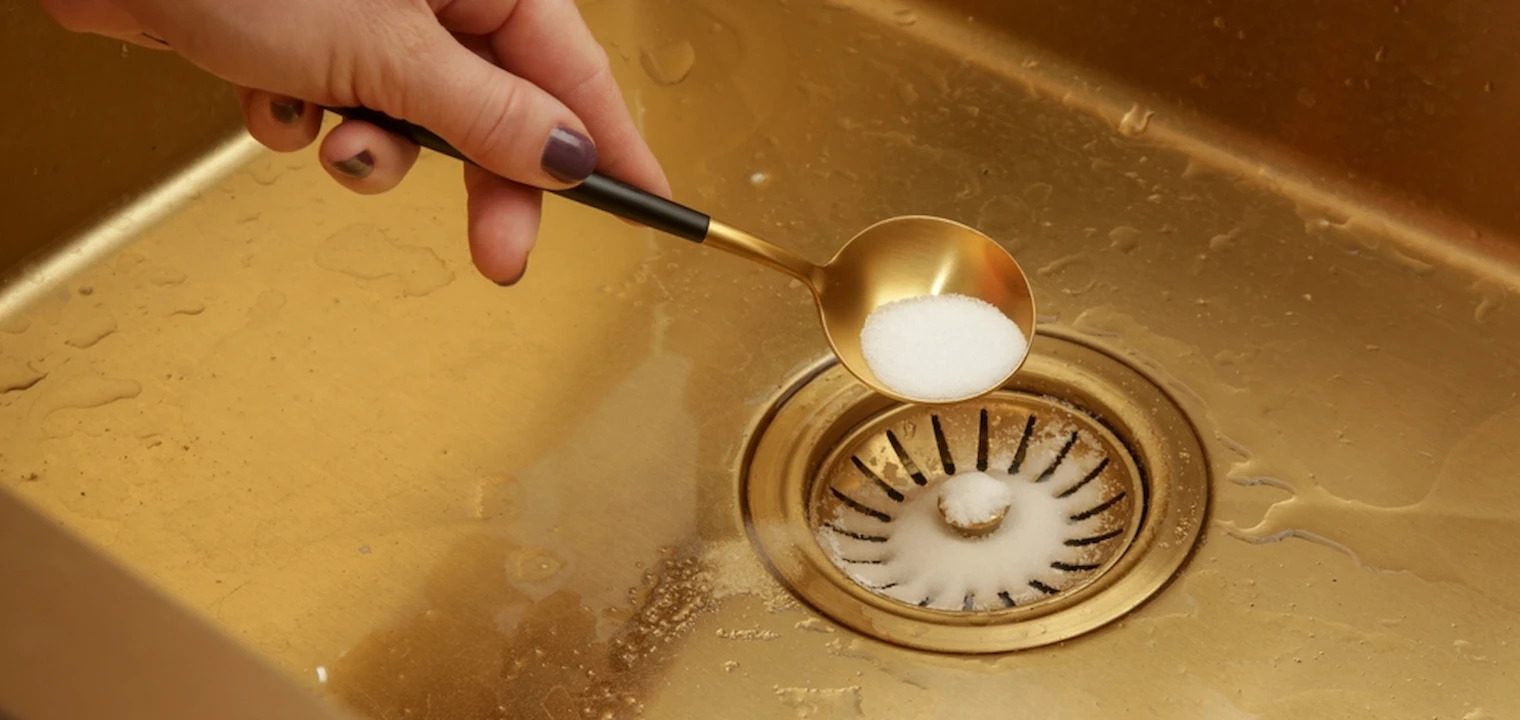
Thrift drain cleaner is a granular, sodium hydroxide-based drain cleaning product. Unlike liquid drain cleaners that you pour down the drain, Thrift comes in crystal form. You add hot water on top of the granules after placing them in the drain, and the resulting chemical reaction generates intense heat that’s designed to break down organic matter like hair, grease, soap scum, and food buildup.
It’s considerably more concentrated than most consumer drain cleaners you’ll find at a big-box store. That extra strength is part of why it’s popular among homeowners dealing with stubborn clogs that milder products haven’t touched.
Thrift is marketed for use in sinks, tubs, showers, and floor drains. It works best on organic blockages that are relatively close to the drain opening. When the conditions are right and the clog is the kind it’s designed for, a lot of people do get results.
Thrift drain cleaner works through a high heat chemical reaction. It’s strong, but that strength comes with tradeoffs that are worth understanding before you use it.

How Does Liquid Fire Drain Cleaner Compare?

Liquid Fire drain cleaner takes a different approach. It’s a liquid sulfuric acid-based product, and it’s one of the most aggressive chemical drain cleaners sold to residential consumers. The acid works by dissolving organic blockages rapidly, and it can generate significant heat on contact with water.
Compared to Thrift, Liquid Fire is generally considered more powerful on certain types of clogs, particularly dense blockages involving paper, grease, and heavy buildup. However, the tradeoffs are steeper. Sulfuric acid is harder on pipes than sodium hydroxide, especially in older homes with aging plumbing. It also requires more careful handling protective gloves and eye protection aren’t optional with this product.
Both Thrift and Liquid Fire are genuinely stronger than the gel drain cleaners most people are used to. But stronger doesn’t always mean better, and it definitely doesn’t mean appropriate for every situation.

The Real Pros of Chemical Drain Cleaners

To be fair, chemical drain cleaners do have legitimate advantages, and it’s worth acknowledging them before getting into the downsides.
  • Convenient: You can pick them up at most hardware stores, home improvement centers, and some grocery stores without any advance planning. When a drain backs up on a Sunday night, having a bottle on hand feels like a lifesaver.
  • Low upfront cost: Compared to calling a plumber, a bottle of Thrift or Liquid Fire costs very little. For someone on a tight budget dealing with a minor clog, it’s an understandable first move.
  • Fast results on the right clogs: When the blockage is a relatively fresh accumulation of hair or soap residue near the drain opening, a strong chemical cleaner can dissolve it quickly. In those specific situations, it genuinely works.
  • No tools or skills required: There’s no learning curve. You pour or place the product, add water if required, wait, and flush. For someone who isn’t comfortable doing any plumbing work, that simplicity matters.

The Cons and Risks You Should Know About

Here’s where it gets more complicated. The same properties that make chemical drain cleaners effective also create real risks, both for your pipes and for the people using them.

Pipe Damage Over Time

Sodium hydroxide and sulfuric acid both generate heat during their chemical reactions. That heat, combined with the corrosive nature of the chemicals, can degrade certain pipe materials with repeated use. PVC pipes are particularly vulnerable to heat damage. Older metal pipes can suffer corrosion. If you’re using a product like this regularly because the same drain keeps clogging, you may be quietly causing long-term damage that leads to a much bigger repair down the road.

Serious Safety Hazards

Both Thrift and Liquid Fire require careful handling. Splashes can cause severe chemical burns. Fumes can irritate your eyes, nose, and lungs. If you’ve already poured another product down the drain before switching to a stronger chemical cleaner, you risk dangerous reactions between the two. These aren’t products to use casually, especially in a small or poorly ventilated bathroom.

They Don’t Work on Every Clog

Chemical drain cleaners are designed to dissolve organic matter. They’re not effective against mineral buildup, solid objects, or structural problems in your pipes. A clog caused by years of scale accumulation, a collapsed section of pipe, or an intrusion of tree roots isn’t going to respond to sodium hydroxide or sulfuric acid. Pouring chemical cleaner down a drain with a structural problem can actually make things worse by damaging the pipe further.

They Can Make Grease Clogs Worse

This one surprises a lot of people. When grease partially dissolves and moves deeper into the pipe before re-solidifying further down the line, you end up with a blockage that’s harder to reach and harder to clear than the original one. Chemical cleaners aren’t always the right tool for a kitchen drain that’s been accumulating cooking grease for years.

Environmental Concerns

Strong chemical drain cleaners don’t disappear once they go down the drain. They eventually make their way into the water system, and both sodium hydroxide and sulfuric acid can disrupt the balance of bacteria in septic systems. If your home uses a septic tank, using products like these frequently can reduce the system’s effectiveness over time.

When Chemical Drain Cleaners Simply Won’t Solve the Problem

Knowing when not to reach for a chemical cleaner is just as important as knowing when it might help. Here are the situations where a bottle of Thrift or Liquid Fire is unlikely to give you anything more than a temporary fix at best.
  • Recurring clogs in the same drain: If a drain keeps backing up every few weeks despite using chemical cleaners, the product is masking the problem, not solving it. Something is going on deeper in the pipe that needs to be addressed directly.
  • Heavy grease buildup in kitchen lines: Years of cooking grease coating the inside of your kitchen drain line isn’t a job for chemicals. The buildup is too extensive and too spread out. What you actually need is a thorough mechanical cleaning, typically hydro jetting, which strips the pipe walls clean rather than just punching a hole through the middle.
  • Main sewer line blockages: When multiple drains in your home start running slow at the same time, or water backs up in unexpected places when you flush a toilet or run the washing machine, the clog is almost certainly in the main sewer line. No consumer drain cleaner is going to reach or clear a main line blockage. This is a job for professional sewer cleaning services with the right equipment to access and clear the full line.
  • Tree root intrusion: Roots find their way into sewer lines through small cracks and joints, and they grow over time. A chemical cleaner will not remove established root growth. This requires our nationwide sewer cleaning services team with professional root cutting equipment and, in some cases, pipe repair.
  • Foul odors that persist after treating the drain: Ongoing smells that don’t go away after using a drain cleaner often indicate a deeper issue, whether it’s a partial blockage, a dried-out trap, or a venting problem. These need a proper diagnosis.
liquid fire drain cleaner

When It’s Time to Call a Professional Drain Cleaning Service

There’s a meaningful difference between what a chemical cleaner does and what a professional plumber does, and it’s worth understanding that difference before spending more money on products that aren’t solving the underlying issue.
A licensed drain cleaning technician starts with a video inspection. A small camera is run through the drain line so the technician can see exactly what’s happening inside the pipe. They can identify the location and nature of the blockage, spot any damage to the pipe itself, and determine the most effective approach before touching a single tool. You’re not guessing anymore. You actually know what you’re dealing with.
For grease buildup, sludge, and heavily packed lines, hydro jetting is the professional answer. High-pressure water is pushed through the pipe, scrubbing the walls clean from the inside out rather than simply creating a channel through the blockage. The results last significantly longer than any chemical treatment, and the pipe is genuinely cleaner afterward, not just temporarily passable.
The honest comparison: a $15 bottle of drain cleaner might solve a simple, surface level clog. For anything more complicated, you’re spending money on temporary relief while the real problem continues to develop.


Cost Comparison: Products vs. Professional Service

On the surface, the math seems obvious. A bottle of Thrift or Liquid Fire costs somewhere between $10 and $25. A professional drain cleaning service costs more, sometimes considerably more depending on the job.
But the calculation changes pretty quickly when you factor in how often you’re buying those bottles. If you’ve used a chemical cleaner on the same drain four or five times in the past year, you’ve spent $60 to $100 and the problem still isn’t solved. Meanwhile, the repeated exposure to caustic chemicals may have been slowly degrading your pipes.
A professional cleaning that actually resolves the issue, and gives you a clear picture of your pipe’s condition, often ends up being the less expensive option once you account for the repeat purchases, the ongoing inconvenience, and the potential cost of a pipe repair that develops from a problem that was never properly addressed.
That’s not to say every slow drain needs a plumber. But if chemical cleaners haven’t fixed the problem in one or two attempts, the cost benefit math shifts pretty clearly toward getting a professional involved.
The Final Verdict
Thrift drain cleaner and Liquid Fire are real products that can genuinely clear certain types of clogs. If you have a relatively fresh, organic blockage close to the drain, either product may well get the water moving again. They’re not worthless.
The problem is that people tend to reach for them in situations where they’re not the right tool. Deep clogs, grease coated main lines, root intrusion, recurring blockages, and structural pipe problems all require professional attention. Using a chemical cleaner in those situations is a bit like taking painkillers for a broken bone. You might feel better temporarily, but the underlying issue isn’t being treated.
Use chemical drain cleaners for what they’re actually good at: simple, minor clogs in a single fixture that haven’t been building up for months. Handle them carefully, read the warnings on the label seriously, and don’t make a habit of pouring them down the same drain repeatedly.
If the problem is more than that, it probably needs more than a bottle from
the hardware store. Our professional drain cleaning service handles everything
from simple fixture clogs to deep line blockages across the United States.
Still Dealing With a Stubborn Drain? Here’s What to Do Next
If chemical drain cleaners haven’t solved the issue, it may be time to call a professional drain cleaning service. Our licensed technicians serve homeowners and businesses across the United States. Call Now to schedule an inspection same day and emergency service available in most areas.